

Introduction
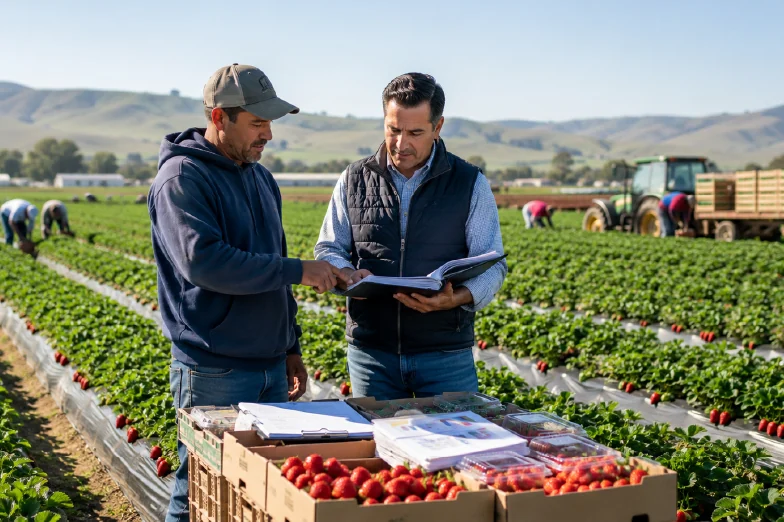
Strawberries are one of the most capital- and labor-intensive crops in California, and the tax profile of a Salinas Valley operation looks nothing like a vineyard or an orchard. A smart strawberry farm tax strategy starts by recognizing that difference: strawberries are grown as an *annual* crop, most growers *lease* their ground, and the cost structure is dominated by labor, plastic, and inputs — not long-lived assets.
We acknowledge the strawberry production of Watsonville, Santa Maria and Oxnard. AI for farming is taking a look at the strawberry growing and harvesting procedures and so some automation will be coming to the field.
The cost structure combination changes which tax rules matter. The pre-productive capitalization traps that snare tree and vine growers mostly don’t apply to strawberries. Instead, your leverage is in timing, avoiding harsh weather then the cash-basis deferral and prepayment moves, plus the crop-insurance and labor provisions that a general CPA rarely handles well.
This guide lays out the tax strategy that actually fits a Salinas Valley strawberry operation: where to pull deductions forward, how to defer a crop-insurance check, and how to handle the labor and leased-land costs that make up most of your farm Schedule F.
Why Strawberries Escape the Pre-Productive Trap
Here’s the good news that separates you from your neighbors in the vineyards, nut trees and avocado groves. Under Section 263A, growers of crops with a *pre-productive period over two years*, vines, fruit and nut trees, must capitalize their establishment costs rather than deduct them. That rule ties up a lot of money for orchard operators.
Strawberries don’t have that problem. In California, strawberries are planted and harvested within a single production cycle and treated as an annual crop. Because the plants don’t carry a pre-productive period exceeding two years, the uniform capitalization rules generally don’t force you to capitalize your growing costs. Your fertilizer, plastic, irrigation supplies, transplants, and labor are ordinary, currently deductible farm expenses in the year you pay for them.
That’s a structural advantage. It means your strawberry operation runs on the clean, flexible logic of cash-basis farming, deduct as you spend, without the multi-year capitalization overlay that complicates tree crops. The whole situation becomes *timing*, and timing is something you can control.
Cash-Basis Timing: Your Most Powerful Tool
Most Salinas growers depending on the type of entity, file on Schedule F using the cash method, and that’s exactly where the strategy lives. You deduct expenses when you pay them and recognize income when the check is received, which hands you real control over which tax year your profit lands in.
In a strong year, you can pull deductions forward: buy and pay for plastic, drip tape, transplants, fertilizer, and fuel in December for the coming season. Because strawberry margins swing hard with weather, yield, and market price, this year-to-year smoothing which the farmer with the help of the farm tax specialist CPA can do is worth real money.
The instinct to prepay everything, though, runs into a limit worth knowing before you overdo it, which is the subject of the next section. Used deliberately, cash-basis timing lets you keep taxable income steady across boom and bust years instead of overpaying in the good years and wasting deductions in the bad ones.
The Prepaid Supplies Rule (Section 464)
Prepaying inputs is one of the oldest farm tax moves and benefits, and one of the most misapplied by the amateurs. Section 464 puts a ceiling on it.
If your prepaid farm supplies; the seed, fertilizer, plastic, and chemicals you’ve paid for but not yet used — exceed 50% of your other deductible farm expenses for the year, the excess deduction can be deferred by the IRS to the year you actually use the supplies, unless you qualify for a farm-related exception. For a strawberry grower loading up on inputs in December, that 50% line can arrive faster than expected.
Two more conditions matter. The prepayment has to be a genuine purchase, not a refundable deposit you can walk back. And it needs a real business purpose beyond just grabbing a deduction, locking in supply or price is a legitimate one. Prepay strategically to pull deductions into a high-income year, but run the 50% math first. A prepayment that gets deferred anyway does you no good.
Deferring the Crop-Insurance Check (Section 451(f))
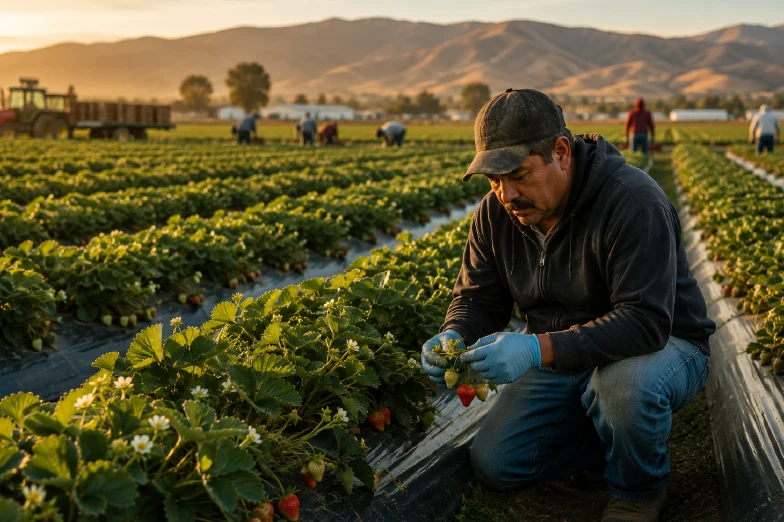
Weather doesn’t spare strawberries, and when a freeze, hail,flood, or storm damages your crop and the insurance pays out, that check is taxable income. But Section 451(f) may let you defer it a full year.
To qualify, three things have to be true: you’re on the cash method, you received the proceeds in the same year the damage occurred, and your normal practice is to sell more than half of that crop in the year *after* harvest. Clear all three and you can push the income if you desire into next year, matching the tax to when you’d normally have recognized the revenue.
There’s a critical trap for growers with revenue-protection policies, which are common. Only the portion of your payout tied to yield damage is deferrable. The portion tied to a price decline is not, and you’ll have to make a reasonable allocation between the two. The election is also all-or-nothing and requires a specific statement attached to your return, name, the Code section, the crop and cause of damage, and a declaration of your normal selling practice. The IRS has denied deferrals where that statement was missing or vague. Done right, it’s a powerful cash-flow tool; done sloppily, it’s disallowed.
A Deeper Look: The Labor and Leased-Ground Economics
The two biggest lines on most Salinas strawberry returns aren’t equipment, they’re labor and land rent. Handling them correctly is where a specialist earns the fee.
Strawberries are hand-harvested and intensely labor-driven, so payroll dominates the cost structure. Wages paid to farm workers are deductible, but they carry compliance weight: payroll tax deposits, workers’ compensation, and, for growers using the H-2A program, the wages, transportation, and housing costs that come with it. H-2A housing and related expenses are generally deductible business costs, but the payroll and reporting mechanics have to be clean, because labor is exactly where an examiner looks first on a labor-heavy operation. Misclassifying workers or running wages outside proper payroll is a fast route to strong penalties.
Then there’s the ground. Some Salinas strawberry acreage is leased, not owned, and that reshapes the deduction picture. Your lease payments are currently deductible as rent, a clean, large annual write-off. But it also means you have little depreciable land improvement of your own and no land appreciation to point to. If you install improvements on leased ground, irrigation, drainage, land prep with lasting benefit, the tax treatment depends on the lease terms and who owns the improvement, and it may have to be recovered over time rather than expensed. Negotiating the lease and the lease contents are very important. The takeaway: a strawberry operation’s deductions are dominated by *currently deductible* rent, labor, and inputs — which is efficient, but leaves fewer depreciation levers than an owner-operator has. Plan around that reality rather than against it.
Practical Tips for Strawberry Farm Taxes
- Lean on cash-basis timing. Prepay next season’s plastic, transplants, and inputs in a strong year to pull deductions forward; defer receivables in a weak one. This is your primary tool.
- Respect the Section 464 50% ceiling. Keep prepaid supplies under half of your other farm expenses unless a clear exception applies, or the excess deduction gets deferred anyway.
- Elect crop-insurance deferral correctly. If a payout hits after weather damage, confirm you meet the three tests and attach the full §451(f) election statement — and split out any price-loss portion, which can’t be deferred.
- Keep payroll airtight. Farm labor is your largest cost and the first thing an auditor examines. Run wages through proper payroll, handle H-2A housing and transport correctly, and never misclassify harvest workers.
- Deduct your rent, and document improvements. Lease payments are currently deductible; but any lasting improvement you make to leased ground needs its treatment nailed down against the lease terms.
- Run farm income averaging. After a high-yield, high-price year, Schedule J can spread the income back across leaner years’ brackets. It’s routinely missed.
- Track the California depreciation gap. For any equipment you do own — coolers, tractors, refrigeration — remember California caps Section 179 at $25,000 and disallows bonus depreciation, so your federal and state deductions won’t match.
Conclusion
A Salinas Valley strawberry operation is a timing-and-labor business, and its tax strategy should reflect that. You dodge the pre-productive capitalization rules that burden tree and vine growers, which frees you to run on clean cash-basis logic, deduct as you spend, and smooth income across volatile years with deliberate prepayment. The crop-insurance deferral and the §464 prepayment ceiling are the guardrails to know, and labor and leased-ground costs are where the real dollars, and the real audit exposure — live.
The growers who do this well treat every December as a planning decision, not an afterthought. If your preparer handles your strawberry return like any other small business — no income averaging, no crop-insurance election, no plan for the labor line, it’s worth a conversation with someone who works Salinas with farmers for a living. Contact a farm tax specialist at Canberra Company.
Frequently Asked Questions
Q: How are strawberry farms taxed differently from vineyards?
A: Strawberries are grown as an annual crop without a pre-productive period over two years, so they generally escape the Section 263A uniform capitalization rules that force vineyards and orchards to capitalize establishment costs. Strawberry growing costs, inputs, plastic, labor, are ordinarily deductible in the year paid for, making the art of cash-basis timing the main strategy.
Q: Can I prepay strawberry farm expenses to lower my taxes?
A: Yes, cash-basis growers can prepay inputs like fertilizer, plastic, and transplants to pull deductions into a high-income year. But under Section 464, if prepaid supplies exceed 50% of your other deductible farm expenses, the excess may be deferred by an IRS auditor. The prepayment must be a genuine purchase with a business purpose, not a refundable deposit. The farm tax specialist will know the ins and outs of making prepayments for farm expenses.
Q: How do I defer taxes on a strawberry crop insurance payout?
A: Under Section 451(f), a cash-basis grower can defer crop insurance income one year if the proceeds were received in the same year as the damage and more than half the crop is normally sold the following year. Only the yield-damage portion is deferrable, not the price-loss portion, and a specific election statement must be attached to the return.
Q: Is farm labor tax deductible for strawberry growers?
A: Yes. Wages paid to harvest and field workers are deductible business expenses, and H-2A program costs — including worker housing and transportation — are generally deductible. However, these must run through proper payroll with correct tax deposits and workers’ compensation. Labor is the largest cost on most strawberry returns and a common audit focus.
Q: Can I deduct land rent for leased strawberry ground?
A: Yes. Lease payments for farmland are currently deductible as rent, and since some Salinas Valley strawberry acreage is leased, this is often one of the largest deductions on the return. Improvements you make to leased ground, however, may need to be recovered over time depending on the lease terms and who owns the improvement.
Q: Should strawberry growers use farm income averaging?
A: Often, yes. Strawberry income swings sharply with yield, weather, and market price. Farm income averaging on Schedule J lets you spread a high-income year’s farm profit back across the prior three years’ tax brackets, which can meaningfully cut your federal tax after a strong season. It’s a commonly overlooked tool.